
Myth-Busting: Common Misconceptions About IT Certifications
Introduction
IT certifications are often seen as the golden ticket to career advancement in the tech industry. However, there are several misconceptions that can cloud judgment and lead to misguided decisions. Let's explore some of the most common myths surrounding IT certifications and unveil the truths behind them.
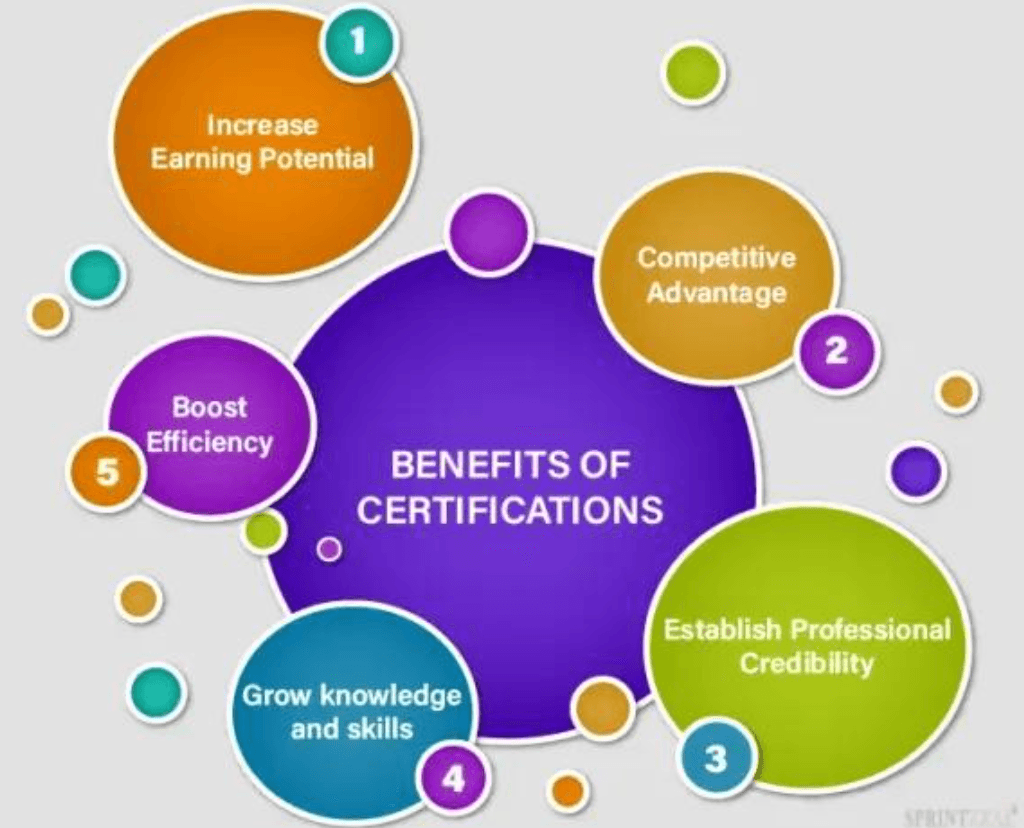
Myth 1: Certifications Guarantee a Job
One of the most pervasive myths is that obtaining an IT certification will automatically land you a job. While certifications can enhance your resume, they are not a substitute for practical experience. Employers often look for a combination of certified knowledge and hands-on skills.
To truly stand out, consider complementing your certifications with internships or personal projects that demonstrate your ability to apply what you've learned in real-world scenarios.
Understanding the Job Market
The IT job market is competitive, and while certifications are valued, they are just one piece of the puzzle. Networking, experience, and soft skills play crucial roles in securing employment.
Myth 2: All Certifications Are Created Equal
Not all IT certifications hold the same weight in the industry. Some are vendor-specific, while others are vendor-neutral, catering to different career paths and industries. It's essential to research which certifications align best with your career goals.

For instance, a certification in a specific technology may be valuable for a role in that niche but could be less relevant elsewhere. Understanding the landscape will help you make informed decisions about which certifications to pursue.
Myth 3: Certifications Are Only for Beginners
Another common misconception is that certifications are only beneficial for those starting their careers. In reality, many advanced certifications are designed for experienced professionals looking to specialize or move into leadership roles.
Continuing Education
IT is an ever-evolving field, and staying current with the latest technologies and trends is crucial. Certifications can help seasoned professionals stay competitive and demonstrate their commitment to continuous learning.
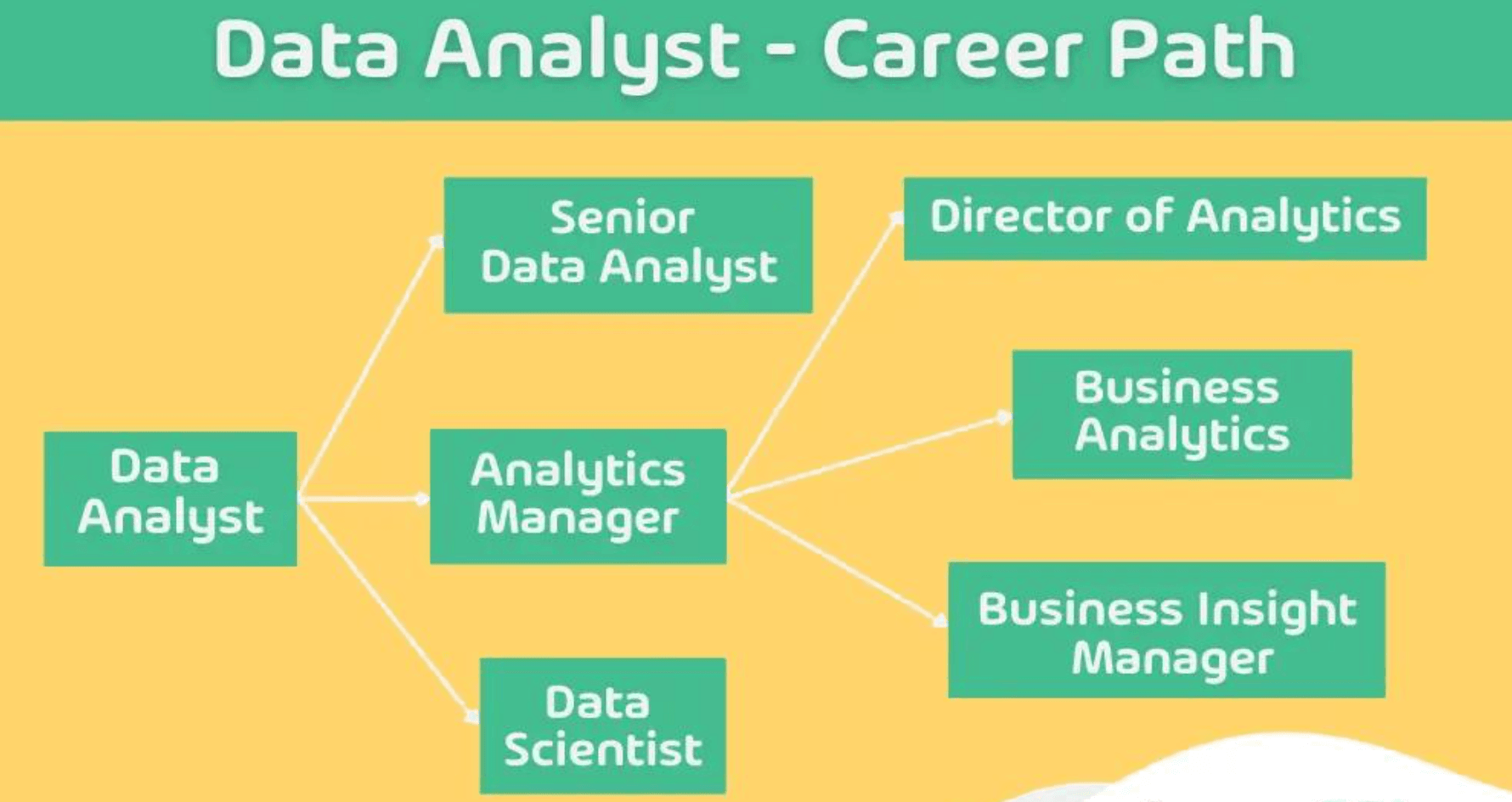
Myth 4: Certifications Never Expire
While it would be convenient if certifications lasted a lifetime, many require renewal or continuing education to remain valid. This ensures that certified professionals maintain their knowledge and adapt to technological advancements.
Be sure to check the renewal requirements for your certifications and plan accordingly to avoid any lapse in your credentials.
Conclusion
IT certifications can be a valuable asset, but understanding their true value and limitations is crucial. By dispelling these myths, you can make more informed decisions about your education and career path. Remember, certifications are a tool, not a guarantee, and should be part of a broader strategy that includes experience, networking, and continuous learning.