
Why Practical Learning is Essential in Data Analytics Training
The Importance of Practical Learning in Data Analytics
In the rapidly evolving world of data analytics, having theoretical knowledge is no longer sufficient. As organizations increasingly rely on data-driven decisions, the demand for professionals who can apply their skills practically is higher than ever. Practical learning in data analytics training bridges the gap between theory and real-world application, ensuring that professionals are well-prepared to tackle complex challenges.

Bridging the Gap Between Theory and Application
Theoretical understanding forms the foundation of data analytics, but practical learning provides the tools to apply this knowledge effectively. Engaging in hands-on projects helps learners understand the nuances of data manipulation, analysis, and interpretation. This approach not only reinforces theoretical concepts but also enhances problem-solving skills.
By working on real-world datasets, learners gain insights into the complexities of data cleaning, transformation, and visualization. This experience is invaluable, as it allows them to develop strategies to deal with incomplete or inconsistent data, which is a common issue in real-world scenarios.
Developing Industry-Relevant Skills
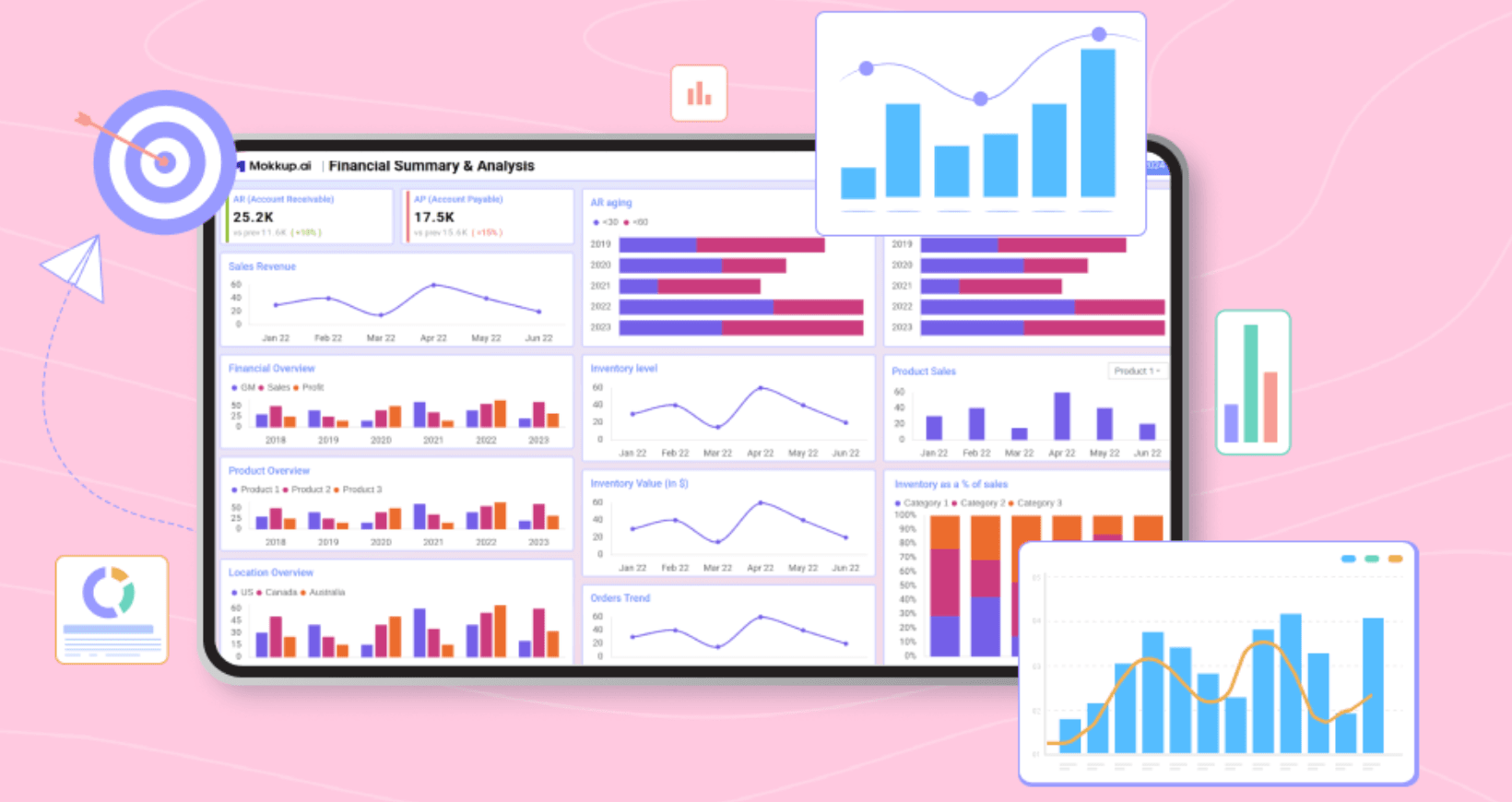
Practical learning ensures that aspiring data analysts develop skills that are directly applicable to their work environments. Through exercises such as creating dashboards, performing statistical analysis, and generating reports, learners become proficient in the tools and technologies commonly used in the industry. This experience is crucial for building confidence and improving job readiness.
Enhancing Problem-Solving Abilities
Data analytics often involves solving complex problems, and practical learning provides the perfect platform to hone these skills. By simulating real-world challenges, learners develop critical thinking abilities and learn to approach problems methodically. This training equips them with the ability to generate actionable insights and make data-driven decisions.
Problem-solving in data analytics is not just about finding solutions; it's about understanding the problem context, exploring multiple approaches, and selecting the most effective strategy. Practical experience helps learners master this process, making them valuable assets to any organization.
Building a Portfolio of Work
One of the significant advantages of practical learning is the opportunity to build a portfolio of work. As learners complete projects, they create a collection of work that showcases their skills and expertise. This portfolio can be a powerful tool when seeking employment, as it provides tangible evidence of a candidate's capabilities.
In addition, a well-rounded portfolio demonstrates versatility and adaptability, qualities that employers highly value. It shows potential employers that the candidate is not only knowledgeable but also capable of applying their skills to solve real-world problems.
Conclusion
In conclusion, practical learning is an essential component of data analytics training. It equips learners with the skills and confidence needed to excel in the field. By bridging the gap between theory and application, developing industry-relevant skills, enhancing problem-solving abilities, and building a portfolio of work, practical learning prepares aspiring data analysts for a successful career.
As the demand for data analytics professionals continues to grow, investing in practical learning will ensure that learners are well-equipped to meet the challenges of the industry and contribute effectively to their organizations.